
Brake Repair and Safety Inspection in Orange Park, FL
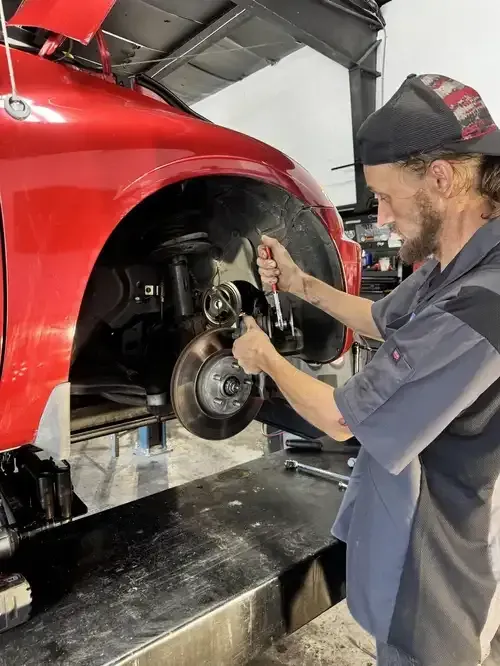
Your Local Orange Park Brake Repair Specialists
Brake repair in Orange Park, FL, covers the complete hydraulic and friction system. Services include brake pad and rotor replacement, ABS module diagnostics, brake fluid flushes, and caliper rebuilds. Miller's Automotive handles domestic, Asian, and European vehicles across Clay County, including daily commuters that face heavy braking loads on US-17, Blanding Blvd, and I-295.
Our shop provides the brake services Orange Park drivers need, including brake pad replacement, brake rotor replacement, and ABS module repair. We also handle caliper service and hydraulic line work. Every recommendation is based on measured pad thickness and rotor runout, not guesswork. We provide clear pre-approval before work begins and back qualifying repairs with a written warranty.
Since 2001, we have served Fleming Island, Middleburg, Oakleaf, and Lakeside drivers with honest, priority-based repair recommendations. Our brake mechanic team focuses on identifying urgent repairs while helping you plan future service needs. Our 4.9-star Google rating reflects the experiences of local customers who value clear communication and thorough brake service.
Brake Repair Services
The automotive braking system is a connected hydraulic and friction system that converts vehicle motion into heat through braking friction. The brake pedal sends fluid through the master cylinder and brake booster to the brake lines and calipers.
Calipers or wheel cylinders apply pressure against brake pads and rotors to slow the vehicle. When one component wears, it can affect braking performance and place additional stress on related parts. We inspect the complete brake system before recommending repairs.
ABS Module Repair
The ABS module monitors wheel speed sensor input and adjusts hydraulic pressure during hard braking or wet-road stops. An ABS warning light or unexpected cycling may indicate a sensor, connector, pump, or module issue.
We use the Autel MaxiSYS MS906 Pro to retrieve stored codes, review live sensor data, and confirm the failure point before ordering parts. Humidity and coastal moisture around the St. Johns River can contribute to connector corrosion on vehicles from Green Cove Springs and Fleming Island. Depending on the diagnosis, repairs may include sensor replacement, harness repair, module reflash, or complete module replacement with programming.
Brake Caliper Repair and Replacement
A sticking or seized brake caliper can cause vehicle pulling, uneven pad wear, reduced braking performance, or a burning smell after driving. Common causes include corroded pistons, damaged dust boots, and seized slide pins.
We inspect piston travel, pad wear differences, and slide pin movement with the caliper removed. We also measure hydraulic pressure and inspect the caliper bore for corrosion or damage. A serviceable caliper may receive a rebuild with new seals and slide pins, while severe damage may require replacement.
Brake Fluid Flush
Brake fluid absorbs moisture over time, which lowers its boiling point and can reduce hydraulic performance. A soft brake pedal, longer stopping distance, or ABS warning light may indicate contaminated fluid.
Orange Park’s humid climate can accelerate moisture absorption through the brake fluid reservoir and system components. We test fluid condition before recommending a brake fluid flush. A boiling-point tester, refractometer, or moisture test strip provides measured results before service.
Brake Line Repair
Corroded or leaking brake lines can cause a sinking brake pedal, visible fluid leaks, or reduced braking pressure. Most failures occur from internal or external corrosion around bends, brackets, and connection points.
Florida humidity and road spray can accelerate brake line corrosion over time. We inspect the complete hydraulic system, pressure-test the lines, and identify the damaged section requiring replacement. Repairs use properly formed and flared lines with the correct fittings for your vehicle.
Brake Pad Replacement
Worn brake pads can create squealing noises when the wear indicator contacts the rotor. If ignored, worn pads can damage rotors and reduce braking performance.
Brake pad life depends on driving habits, vehicle weight, traffic conditions, and braking frequency. Around Orange Park, frequent stops on local roads can increase wear compared with highway driving. Our brake pad replacement service includes a complete inspection to evaluate pad condition, rotor wear, and the correct replacement option for your vehicle.
Brake Rotor Replacement
Worn or damaged brake rotors can cause pedal vibration, steering wheel pulsation, or uneven braking. These issues often result from heat cycling, thickness variation, or severe pad wear.
We measure rotor thickness and runout using a micrometer and dial indicator at each wheel position. These measurements determine if resurfacing remains possible or replacement is required. Replacement uses OEM or OEM-equivalent rotors matched with new brake pads for proper braking performance.
Parking Brake Repair
A parking brake that will not hold, release, or clear a warning light may indicate cable, shoe, or actuator problems. Common causes include stretched cables, worn shoes, seized components, or electronic actuator faults.
We inspect cable tension, routing, shoe condition, and drum surfaces on applicable vehicles. For electronic systems, we use the Autel MaxiSYS MS906 Pro to service and reset parking brake actuators. Repairs may include cable adjustment, cable replacement, shoe replacement, or electronic actuator service.
Pre-Purchase Inspection
A used vehicle listing rarely reveals hidden brake wear, suspension issues, transmission concerns, or upcoming maintenance needs. An independent inspection helps identify problems that may not appear during a short test drive.
Before purchasing a vehicle from a private seller or Jacksonville-area dealer, we inspect key systems and document our findings. Our pre-purchase inspection service helps you understand the vehicle’s current condition, existing concerns, and potential future repairs before ownership begins.
State Vehicle Inspection
Florida does not require annual state safety inspections for most vehicles. However, certain situations may require VIN verification or safety checks, including out-of-state title transfers, insurance requirements, and some lease returns.
Our state vehicle inspection service provides the required checks based on your specific situation. We explain the inspection process, review applicable requirements, and help you schedule a convenient appointment time.
Common Brake Repair Problems We Diagnose
Squeaking or Grinding Noise When Braking
Squeaking brakes often occur when the brake pad wear indicator contacts the rotor, signaling that replacement may be needed soon. Grinding brakes usually mean the friction material is gone and the backing plate is contacting the rotor. We inspect pad thickness, wear indicators, and rotor condition to determine the extent of damage. Severe grinding may require brake pad replacement and rotor repair or replacement.
Soft or Sinking Brake Pedal
A soft or sinking brake pedal usually indicates a hydraulic system concern, including air in the brake lines, fluid leaks, or a failing master cylinder. We check hydraulic pressure, inspect brake lines, and evaluate fluid condition to identify the cause. A pedal that becomes soft after repeated hard stops may point to moisture-contaminated brake fluid. Our repair recommendation depends on the failed component found during inspection.
Vehicle Pulling to One Side During Braking
A vehicle pulling during braking may result from a sticking caliper, uneven pad wear, or a restricted brake hose. We measure pad thickness, inspect caliper piston movement, and check braking components for uneven operation. Additional testing helps determine if the issue comes from hydraulic pressure problems or mechanical failure. We focus repairs on the specific cause instead of replacing unnecessary parts.
Brake Pedal Vibration or Pulsation
Brake pedal vibration or steering wheel pulsation during braking can result from uneven rotor thickness or excessive lateral runout. We measure rotor thickness and runout using proper inspection tools to confirm the condition of each component. Heat cycling from repeated braking can contribute to rotor irregularities over time. Depending on our findings, we may recommend resurfacing or brake rotor replacement.
ABS or Brake Warning Light On
An illuminated brake warning light may indicate low fluid, a parking brake switch issue, or a hydraulic system concern. An ABS warning light can point to a wheel speed sensor, wiring problem, pump issue, or ABS module fault. We scan stored fault codes and review live sensor data to identify the affected component. This testing helps us recommend the correct repair instead of replacing unnecessary parts.
Concerned about these symptoms?
The Miller's Automotive Approach to Brake Repair and Safety Inspection
Every brake service starts with a conversation about what you are noticing and when it happens. We ask about the speed, pedal pressure, and driving conditions when the concern appears. This helps our technicians understand the symptoms before beginning the inspection process.
The vehicle then goes through a detailed evaluation using measurements instead of assumptions. We check pad thickness, rotor thickness and runout, caliper movement, brake hose condition, and brake fluid moisture content. These findings help identify the actual cause and determine the right repair approach.
After the inspection, we share photos and measurements through our digital inspection report so you can review the same information our technicians use. Our priority-based recommendations explain what needs attention now, what can be monitored, and what maintenance should be planned for later. This approach helps you make repair decisions based on documented findings rather than guesswork.
The Miller's Automotive Standard for Brake Repair and Safety Inspection
- We use OEM or OEM-equivalent brake pads, rotors, and hydraulic components for qualifying brake repairs.
- Our technicians use the Autel MaxiSYS MS906 Pro to perform ABS module diagnostics and review live wheel speed sensor data.
- We provide written warranty coverage on qualifying brake repairs and document the details during service.
- Since 2001, Miller's Automotive has served Orange Park and Clay County drivers with a 4.9-star Google rating from local customers.
- Our technicians measure rotor thickness and runout with a micrometer and dial indicator instead of relying on visual estimates.
- Through our Enterprise Leasing partnership, we offer discounted loaner vehicle options along with early drop-off, after-hours pickup, and valet service.
Brake performance depends on more than the braking system alone. Our wheel alignment and suspension, steering, and wheel services help inspect related components that influence vehicle stability, tire wear, and overall driving control.
Our Promise to You
- We provide written estimates before any work begins, with clear details for parts, labor, and recommended repairs.
- Our digital inspection process supports every recommendation with photos, videos, and measurements from your vehicle.
- Priority-based repair sequencing helps you understand what needs attention now, what can be planned later, and what can wait.
- Our technicians explain each component, its purpose, and why a repair is needed before you approve the work.
- Complete service records help us maintain your vehicle’s repair history and provide a clear record of previous work.
What Orange Park Drivers Ask About Brake Repair and Safety Inspection
How much does brake repair cost in Orange Park, FL?
Brake repair costs vary based on the vehicle, damaged components, and required service. Brake pad replacement, rotor replacement, caliper repairs, and hydraulic repairs all have different costs. We provide a written estimate after inspection and measurements, so you can approve the exact repair scope before work begins.
How long does a brake job take?
Most brake pad and rotor replacements take about two to three hours per axle. The exact time depends on the vehicle condition, required repairs, and parts availability. ABS module diagnostics, hydraulic line repairs, or additional brake issues may extend service time.
What are the signs I need new brakes?
You may need new brakes if you notice squealing, grinding, vibration, longer stopping distances, vehicle pulling, or a brake warning light. These symptoms can indicate worn pads, damaged rotors, caliper issues, or other brake system concerns. We inspect the braking system to identify the cause before recommending repairs.
How often should brake pads be replaced?
Brake pads typically last between 30,000 and 70,000 miles depending on driving habits, traffic conditions, vehicle weight, and braking frequency. Regular inspections provide a more accurate measurement of remaining pad life than mileage alone. We recommend replacement based on pad thickness and overall brake condition.
Is it safe to drive with grinding brakes?
No, grinding brakes are not safe to drive because the friction material is likely worn away. The metal backing plate can contact the rotor, reduce braking performance, and create additional damage with every stop. We recommend an inspection as soon as grinding begins to prevent more extensive repairs.
Book Your Brake Repair and Safety Inspection Appointment
Brake issues rarely improve on their own, and delaying service can allow worn pads, damaged rotors, or other brake components to require additional repairs. If you notice squeaking, vibration, or longer stopping distances, our inspection identifies the source before any parts are replaced. Qualifying brake repairs are backed by our written warranty. Call, schedule online, or visit our Orange Park shop, serving Fleming Island, Middleburg, Oakleaf, Lakeside, Jacksonville, and Green Cove Springs.
